

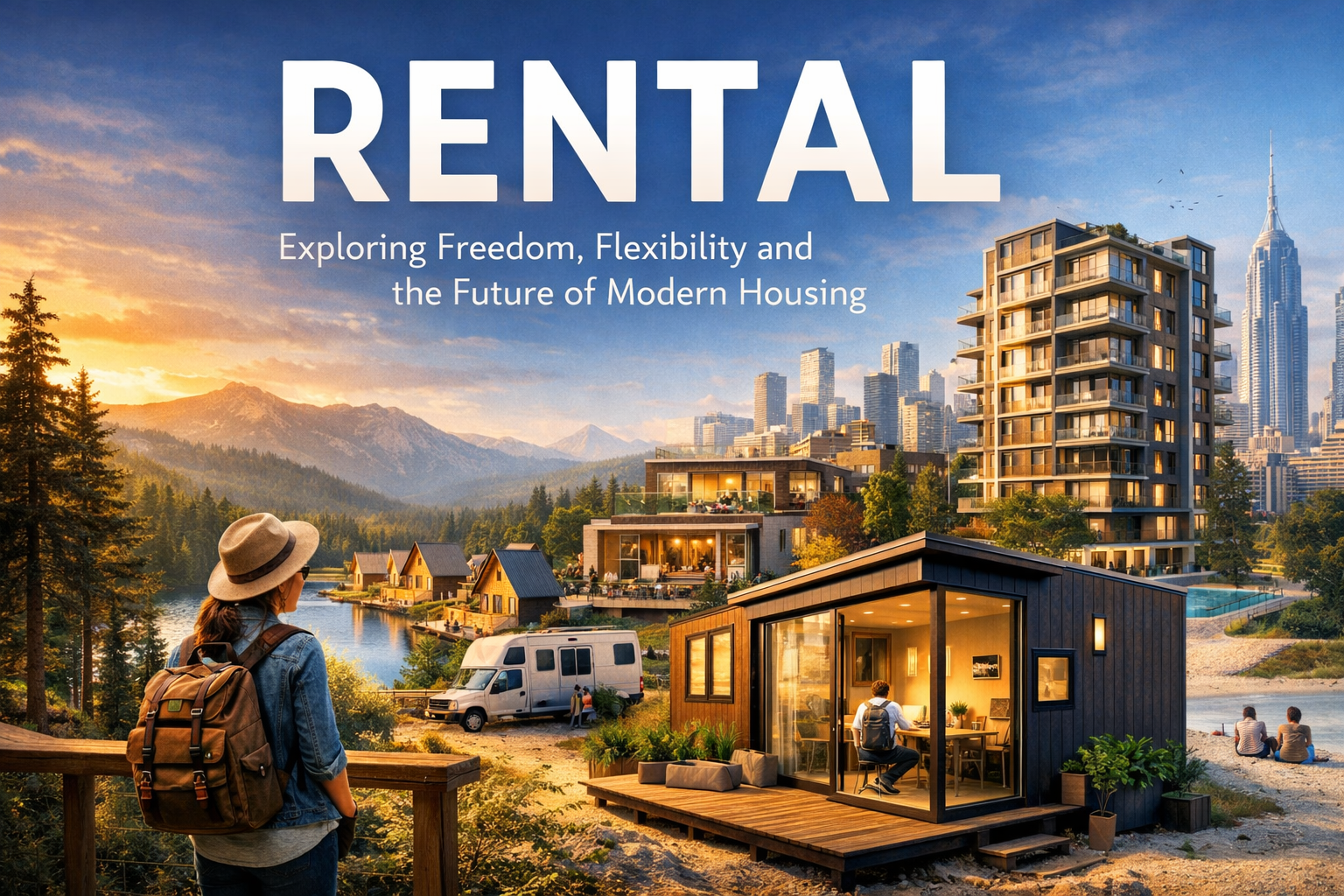
Introduction to the Rental Lifestyle
The concept of rental housing has evolved far beyond its traditional perception as a temporary or secondary option. Today, renting represents a lifestyle choice embraced by millions worldwide who prioritize flexibility, mobility, and financial agility. Instead of tying themselves down to long-term commitments like homeownership, renters enjoy the freedom to adapt their living situations according to changing personal, professional, or economic circumstances.
In modern cities and even suburban areas, rental housing has become a central pillar of urban development. With rising property prices and shifting work cultures, particularly remote and hybrid work models, more individuals are choosing to rent rather than buy. This shift reflects a broader transformation in how people view stability—not as ownership, but as the ability to move freely and live conveniently.
The Financial Perspective of Renting
From a financial standpoint, renting offers both advantages and trade-offs. One of the most notable benefits is the reduced upfront cost. Unlike purchasing a home, which often requires a substantial down payment, renters typically need only a security deposit and initial rent. This makes renting accessible to a wider demographic, including young professionals and those in transitional life stages.
However, renting also means that monthly payments do not build equity. While homeowners gradually gain ownership value, renters exchange that potential for liquidity and flexibility. For many, this trade-off is worthwhile, especially when considering maintenance costs, property taxes, and long-term financial risks associated with ownership. Renting allows individuals to allocate resources toward investments, travel, or career growth.
Flexibility and Mobility in a Changing World
One of the strongest appeals of renting is the unmatched flexibility it provides. Renters can relocate with relative ease, making it ideal for those whose careers demand mobility or who simply enjoy exploring new environments. This adaptability is especially relevant in a globalized world where opportunities can arise in different cities or even countries.
Additionally, renting supports lifestyle experimentation. Individuals can try living in various neighborhoods, cities, or housing types without the burden of long-term commitment. Whether it’s moving closer to work, downsizing, or upgrading to a larger space, renters can make changes that align with their evolving needs and preferences.
Rental Housing and Urban Development
rental housing plays a crucial role in shaping modern urban landscapes. Cities rely on a diverse mix of rental options from apartments and condos to co-living spaces—to accommodate growing populations. Developers are increasingly focusing on rental properties to meet demand, often incorporating amenities like gyms, shared workspaces, and smart home technologies.
This shift has also influenced city planning. Mixed-use developments that combine residential, commercial, and recreational spaces are becoming more common, providing renters with convenience and accessibility. As urban populations continue to expand, rental housing will remain a key component in sustainable and efficient city growth.
The Rise of Co-Living and Shared Spaces
A notable trend in modern renting is the rise of co-living arrangements. These shared housing models offer private bedrooms alongside communal living areas, fostering a sense of community among residents. Co-living is particularly popular among young professionals, digital nomads, and students seeking affordability and social interaction.
Beyond cost savings, co-living emphasizes collaboration and connection. Residents often share experiences, resources, and networks, creating a dynamic living environment. This model reflects a broader cultural shift toward shared economies and community-driven lifestyles, redefining what it means to “feel at home.”
Technology Transforming the Rental Experience
Technology has significantly transformed the rental market, making it more accessible and efficient. Online platforms allow users to search for properties, compare prices, and even take virtual tours from the comfort of their homes. Digital contracts and payment systems streamline the leasing process, reducing paperwork and delays.
Smart home technology is also becoming a standard feature in many rental properties. From keyless entry systems to energy-efficient appliances, these innovations enhance convenience and security for renters. As technology continues to evolve, the rental experience will likely become even more seamless and personalized.
Challenges Faced by Renters
Despite its many advantages, renting comes with its own set of challenges. One common concern is the lack of long-term stability. Lease agreements are typically time-bound, and renters may face rent increases or eviction at the end of a term. This uncertainty can make long-term planning more difficult.
Additionally, renters often have limited control over property modifications. Unlike homeowners, they may not be able to personalize their living spaces extensively. Issues such as maintenance delays or landlord disputes can also impact the overall rental experience. Addressing these challenges requires stronger tenant protections and clearer rental policies.
The Future of Rental Housing
The future of rental housing looks promising, driven by changing societal needs and technological advancements. As urbanization continues and lifestyles become more dynamic, renting will likely remain a preferred option for many. Innovations in housing design, sustainability, and digital integration will further enhance the appeal of rental living.
Moreover, governments and developers are increasingly recognizing the importance of affordable rental housing. Initiatives aimed at improving accessibility and quality will shape the next generation of rental markets. The focus will be on creating inclusive, flexible, and sustainable living environments that cater to diverse populations.
FAQs
Q1: Is renting better than buying a home?
It depends on individual circumstances. Renting offers flexibility and lower upfront costs, while buying provides long-term investment and stability.
Q2: What are the main benefits of renting?
Key benefits include mobility, lower maintenance responsibility, and financial flexibility.
Q3: Are rental prices expected to increase in the future?
In many areas, rental prices may rise due to demand, but this varies based on location and economic conditions.
Q4: Can renters personalize their homes?
Personalization is usually limited, but some landlords allow minor modifications with permission.
Q5: What is co-living?
Co-living is a shared housing model where individuals have private rooms but share common spaces and amenities.
Conclusion
rental housing has transformed into a dynamic and attractive option for modern living, offering freedom, flexibility, and convenience. As lifestyles continue to evolve, renting provides a practical solution for those who value adaptability over permanence. While it comes with certain challenges, ongoing innovations and policy improvements are making renting more secure and appealing.