

Introduction
The aviation industry is often celebrated for its precision, safety, and meticulous planning, yet even within such a highly regulated environment, unexpected situations can arise. One such event was the dramatic diversion of United Airlines Flight UA770 Emergency which captured widespread attention due to its urgency and the professionalism displayed by the crew. The flight, initially scheduled as a routine journey, quickly turned into a high-stakes scenario requiring swift decision-making and coordinated action.
Passengers onboard experienced a sudden shift from calm travel to heightened concern as the aircraft was forced to divert from its planned route. While such diversions are rare, they highlight the unpredictable nature of air travel and the importance of preparedness. This incident serves as a compelling case study of how aviation systems respond under pressure, ensuring passenger safety above all else.
What Triggered the Emergency Diversion
The diversion of United Airlines Flight UA770 Emergency was not a random occurrence but rather the result of a critical situation that demanded immediate attention. Reports suggest that the emergency may have been linked to a technical issue or a potential health concern onboard, both of which are among the most common causes for mid-air diversions. In aviation, even a minor irregularity can escalate quickly, prompting pilots to act decisively.
Pilots are trained extensively to handle such emergencies, relying on both their expertise and advanced cockpit systems. In the case of United Airlines Flight UA770 Emergency, the crew identified the issue promptly and communicated with air traffic control to determine the safest alternative airport. Their quick response ensured that the situation remained under control, preventing further complications.
The Role of the Flight Crew
The professionalism of the flight crew played a pivotal role in managing the crisis aboard United Airlines Flight UA770 Emergency. From the cockpit to the cabin, every member of the team followed established protocols designed for emergency situations. The pilots maintained clear communication with ground control, while flight attendants worked to keep passengers calm and informed.
Handling passenger anxiety is a crucial aspect of such incidents. The cabin crew must strike a balance between transparency and reassurance, ensuring that travelers remain composed. In this case, reports indicate that the crew handled the situation with remarkable composure, demonstrating the effectiveness of their training and experience.
Passenger Experience During the Incident
For passengers, the diversion was undoubtedly a tense and unsettling experience. What began as a routine flight quickly turned into an uncertain situation, with many travelers unsure about the nature of the emergency. The sudden announcement of a diversion can trigger anxiety, especially for those unfamiliar with aviation procedures.
Despite the initial fear, many passengers later expressed appreciation for the crew’s handling of the situation. Clear instructions, calm communication, and visible professionalism helped to ease concerns. While the experience may have been stressful, it also highlighted the importance of trust between passengers and airline staff during emergencies.
Coordination with Air Traffic Control
Aviation emergencies require seamless coordination between the aircraft and air traffic control (ATC). In the case of United Airlines Flight UA770 Emergency, ATC played a crucial role in facilitating a safe diversion. Controllers worked closely with the flight crew to identify the nearest suitable airport, considering factors such as runway length, weather conditions, and available emergency services.
This coordination is a testament to the efficiency of global aviation systems. Within minutes, a new landing plan was established, ensuring that the aircraft could descend safely without disrupting other air traffic. Such collaboration underscores the importance of communication and teamwork in maintaining aviation safety.
Emergency Landing and Ground Response
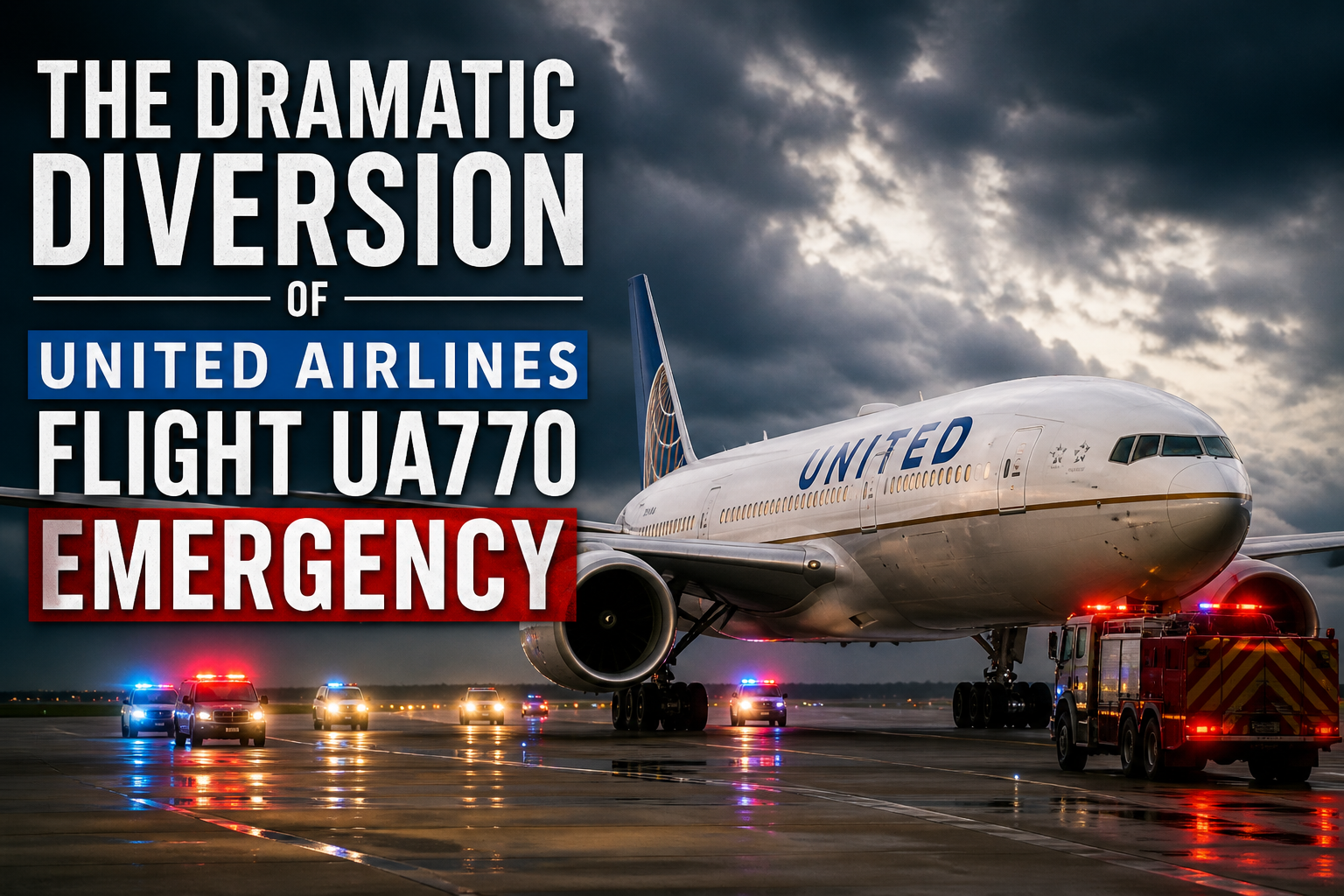
The emergency landing of United Airlines Flight UA770 Emergency was executed with precision, reflecting the high level of training among aviation professionals. Upon arrival at the diversion airport, emergency services were already on standby, prepared to respond to any potential issues. Fire crews, medical teams, and airport staff coordinated their efforts to ensure a smooth and safe landing.
Once the aircraft touched down, passengers were guided through the next steps, which may have included medical evaluations or rebooking arrangements. The efficiency of the ground response further demonstrated the robustness of emergency preparedness within the aviation industry. Every aspect of the operation was designed to prioritize safety and minimize disruption.
Impact on Airline Operations
Incidents like the United Airlines Flight UA770 Emergency can have a ripple effect on airline operations. Flight schedules may be disrupted, aircraft may require inspection, and logistical challenges can arise in accommodating affected passengers. Airlines must quickly adapt to these changes, ensuring that normal operations resume as smoothly as possible.
Despite these challenges, such incidents also provide valuable learning opportunities. Airlines often conduct thorough investigations to understand the root cause and implement improvements. This continuous process of evaluation and enhancement is essential for maintaining high safety standards and preventing similar occurrences in the future.
Lessons Learned from the Incident
The diversion of United Airlines United Airlines Flight UA770 Emergency offers several important lessons for both the aviation industry and passengers. For airlines, it reinforces the importance of rigorous training, effective communication, and rapid decision-making. For passengers, it highlights the value of staying calm and following crew instructions during emergencies.
Ultimately, the incident serves as a reminder that safety is the top priority in aviation. While emergencies can be unsettling, they are handled with a level of expertise and coordination that ensures the best possible outcome. The successful diversion of United Airlines Flight UA770 Emergency stands as a testament to the resilience and professionalism of those involved.
FAQs
1. Why do flights get diverted in emergencies?
Flights are diverted due to various reasons, including medical emergencies, technical issues, or adverse weather conditions. Safety is always the primary concern.
2. Was anyone injured United Airlines Flight UA770 Emergency?
There were no widespread reports of serious injuries, indicating that the situation was managed effectively.
3. How do pilots decide where to divert?
Pilots consider factors such as distance, airport facilities, weather conditions, and runway availability when choosing a diversion airport.
4. What happens to passengers after a diversion?
Passengers are usually assisted with rebooking, accommodations, or medical care if needed, depending on the situation.
5. Are emergency diversions common?
No, they are relatively rare, but they are a normal part of aviation safety procedures.
Conclusion
The dramatic diversion of United Airlines Flight UA770 Emergency serves as a powerful example of how the aviation industry prioritizes safety above all else. From the swift actions of the flight crew to the coordinated efforts of air traffic control and ground services, every element of the response demonstrated professionalism and efficiency. While the incident may have been unsettling for passengers, it ultimately reinforced confidence in the systems designed to protect them.