

Introduction
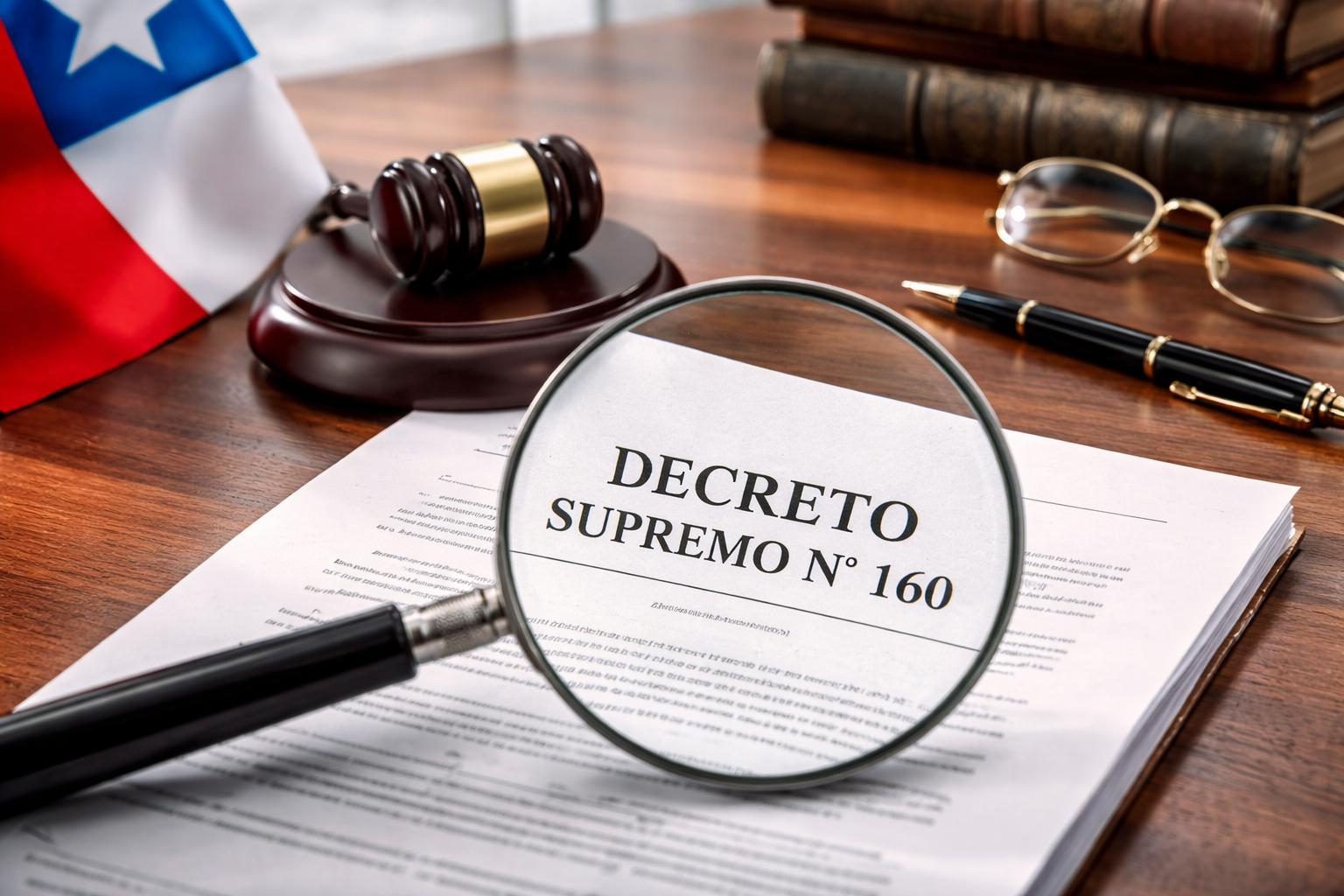
Decreto Supremo 160 represents a significant regulatory milestone aimed at strengthening institutional governance and promoting structural transformation within public administration systems. It establishes a set of legal and operational guidelines designed to modernize institutional processes, improve transparency, and enhance efficiency across government entities. By introducing standardized mechanisms for decision-making and accountability, the decree seeks to ensure that institutions operate in alignment with national development goals.
At its core, this framework responds to long-standing challenges in bureaucratic inefficiency and fragmented governance structures. It promotes a more coordinated approach to institutional management, ensuring that policies are implemented consistently and effectively. Through its provisions, Decreto Supremo 160 lays the foundation for a more responsive and adaptable public sector capable of meeting evolving societal demands.
Historical Context and Need for Reform
The emergence of Decreto Supremo 160 can be understood within a broader historical context of administrative reform efforts. Many public institutions have traditionally faced issues such as overlapping responsibilities, lack of transparency, and slow decision-making processes. These inefficiencies have often hindered the effective delivery of public services and weakened public trust in governmental systems.
In response, policymakers introduced this decree as part of a broader reform agenda aimed at institutional modernization. It reflects lessons learned from previous governance models and incorporates international best practices in public administration. The decree is therefore not an isolated policy instrument but rather a continuation of ongoing efforts to build stronger, more accountable institutions.
Core Objectives of the Framework
One of the primary objectives of Decreto Supremo 160 is to enhance institutional efficiency by streamlining administrative procedures. This includes reducing bureaucratic bottlenecks, simplifying reporting structures, and improving coordination between different government agencies. By doing so, the decree aims to create a more agile institutional environment capable of responding quickly to policy needs.
Another key objective is to strengthen accountability mechanisms within public institutions. The framework introduces clearer roles and responsibilities, ensuring that decision-makers are held responsible for their actions. It also emphasizes transparency, requiring institutions to adopt more open data practices and regular performance evaluations.
Institutional Transformation and Structural Change
Decreto Supremo 160 plays a central role in driving institutional transformation by encouraging structural reorganization. This involves redefining institutional hierarchies, improving workflow systems, and integrating digital technologies into administrative processes. Such changes are intended to reduce inefficiencies and promote a culture of innovation within public organizations.
In addition, the decree supports capacity-building initiatives aimed at improving the skills and competencies of public officials. Training programs and professional development opportunities are emphasized as essential tools for ensuring that institutional reforms are effectively implemented. This human-centered approach recognizes that successful transformation depends not only on structural changes but also on the people who operate within the system.
Governance Transparency and Compliance Mechanisms
A major component of Decreto Supremo 160 is its emphasis on governance and compliance. The framework introduces stricter oversight mechanisms to ensure that institutions adhere to established rules and regulations. This includes internal audits, external evaluations, and performance monitoring systems designed to detect inefficiencies or irregularities.
Transparency is also a key pillar of the decree. Institutions are encouraged to publish relevant data, including budgets, project outcomes, and performance indicators. This openness is intended to strengthen public trust and enable citizens to hold institutions accountable. By reinforcing compliance and transparency, the decree aims to reduce corruption and improve institutional integrity.
Implementation Strategies and Operational Tools
The implementation of Decreto Supremo 160 relies on a combination of strategic planning and operational tools. Institutions are required to develop action plans that align with the decree’s objectives, ensuring that reforms are carried out in a structured and measurable way. These plans often include timelines, performance indicators, and resource allocation strategies.
Digital transformation plays a crucial role in the implementation process. The decree encourages the adoption of electronic management systems, automated workflows, and digital communication platforms. These tools help streamline operations, reduce paperwork, and improve data accuracy, ultimately contributing to more efficient institutional performance.
Challenges and Criticisms of the Framework
Despite its ambitious goals, Decreto Supremo 160 is not without challenges. One of the main difficulties lies in its implementation across diverse institutional settings. Variations in capacity, resources, and organizational culture can make it difficult to apply the framework uniformly. Some institutions may struggle to adapt to new requirements, leading to uneven progress.
Critics also point out that reforms of this scale require sustained political commitment and adequate funding. Without these elements, there is a risk that the decree may become more symbolic than practical. Additionally, resistance to change within established bureaucratic structures can slow down the reform process and limit its overall effectiveness.
Impact and Future Outlook
The long-term impact of Decreto Supremo 160 is expected to be significant if fully implemented. By promoting efficiency, transparency, and accountability, the framework has the potential to reshape how public institutions operate. Over time, it could lead to improved service delivery, stronger governance systems, and increased public trust in government institutions.
Looking ahead, the success of the decree will depend on continuous evaluation and adaptation. As institutional needs evolve, the framework may require updates to remain relevant and effective. If properly sustained, Decreto Supremo 160 could serve as a model for future governance reforms and institutional modernization efforts.
FAQs
1. What is Decreto Supremo 160?
It is a regulatory framework designed to modernize public institutions by improving governance, efficiency, and transparency.
2. Why was it introduced?
It was introduced to address inefficiencies, bureaucratic delays, and lack of coordination in public administration systems.
3. What are its main goals?
Its main goals include institutional transformation, accountability, transparency, and improved public service delivery.
4. How does it improve governance?
It strengthens oversight mechanisms, introduces compliance systems, and promotes open data practices.
5. What challenges does it face?
Key challenges include implementation difficulties, resource limitations, and resistance to institutional change.
Conclusion
Decreto Supremo 160 stands as a comprehensive attempt to reshape institutional governance through structured reform and modernization. By addressing inefficiencies and promoting transparency, it offers a pathway toward more effective and accountable public administration. While challenges remain in its implementation, its long-term vision highlights the importance of continuous institutional improvement. If successfully applied, it has the potential to significantly enhance the performance and credibility of public institutions.