

Introduction
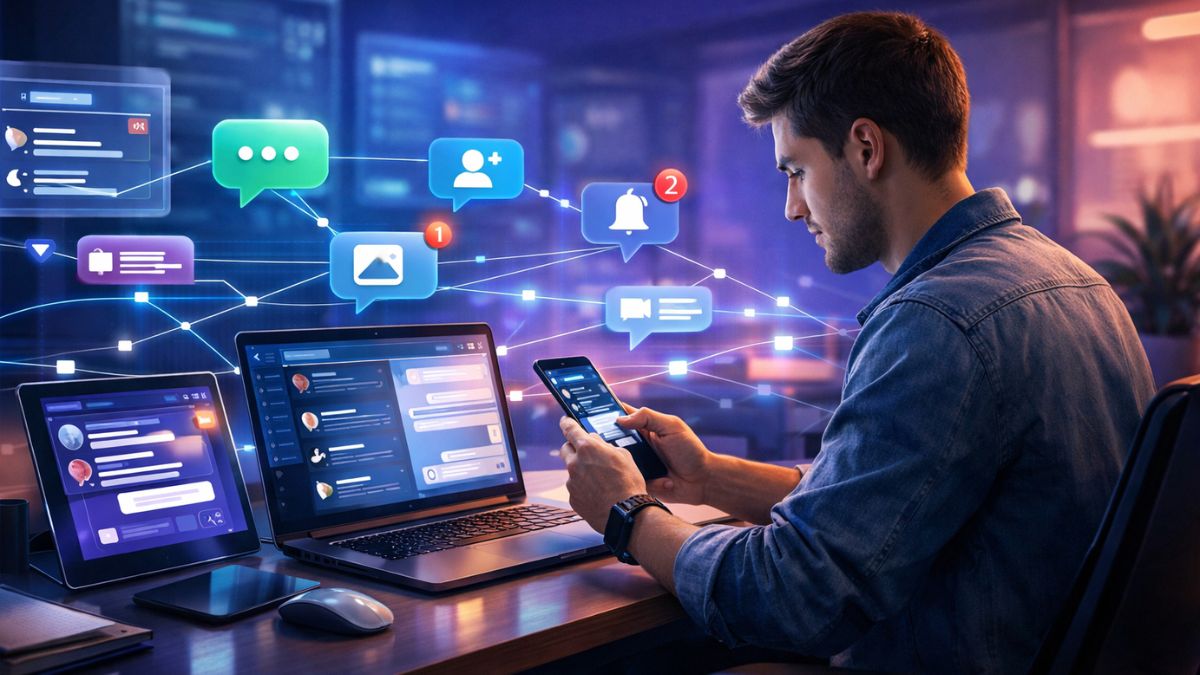
Messagenal can be understood as the unseen layer of meaning that exists within digital communication. It is not just what people type, but how they structure emotion, timing, punctuation, and symbolic choices in messages. In today’s interconnected world, this hidden language shapes how relationships are formed, maintained, and sometimes even broken across screens and platforms.
At its core, Messagenal represents the fusion of messaging and emotional signaling in digital spaces. Every text, emoji, or typing delay carries subtle meaning that goes beyond words. Humans naturally encode feelings into these small signals, creating a silent but powerful communication system that operates beneath the surface of everyday chats.
Evolution of Digital Communication
Digital communication has evolved from simple text-based emails and SMS to highly expressive platforms filled with multimedia elements. Early messaging was limited and often misinterpreted, but over time, users developed new ways to express tone, emotion, and intent. This evolution gave rise to what we now recognize as Messagenal behavior.
As platforms expanded, so did the complexity of human expression online. People began using abbreviations, emojis, stickers, and even typing styles to compensate for the lack of physical presence. This gradual adaptation transformed digital messaging into a layered language where meaning is constructed through both content and context.
Core Principles of Messagenal
Messagenal operates on several unspoken principles that guide how messages are interpreted. Timing, for example, can signal interest, hesitation, or emotional distance. Similarly, punctuation choices such as full stops or ellipses can subtly change the emotional tone of a sentence, even when the words remain the same.
Another core principle is relational context. The same message can carry different meanings depending on who sends it and in what situation. Messagenal is deeply relational, meaning it depends on shared understanding, previous interactions, and emotional history between communicators.
Emotional Encoding in Messages
Emotional encoding refers to how feelings are embedded within digital communication. Since text lacks vocal tone and facial expressions, users rely on alternative cues to express emotions. This includes word choice, emoji usage, message length, and response timing, all of which contribute to emotional meaning.
For example, a short reply like okay can feel cold or neutral depending on context, while okay may appear friendly or reassuring. These small variations form the emotional grammar of Messagenal, allowing users to convey complex feelings without directly stating them.
Symbolism Emojis and Subtext
Symbols and emojis play a central role in Messagenal, acting as emotional shortcuts that replace lengthy explanations. A single emoji can shift the entire meaning of a message, turning sarcasm into humor or seriousness into warmth. These symbols have become a universal layer of expression in digital communication.
Subtext is equally important, as what is left unsaid often carries as much meaning as the written words. A delayed reply, a single-word response, or even the absence of a reply can communicate strong emotional signals. In Messagenal, silence itself becomes a form of expression.
Social Media Influence on Messagenal
Social media platforms have significantly shaped Messagenal by encouraging fast, reactive communication styles. Likes, reactions, and short comments have replaced longer conversations in many cases, creating new forms of expressive shorthand that prioritize speed over depth.
At the same time, social media amplifies interpretation anxiety, where users overanalyze posts, replies, and engagement patterns. This has made Messagenal even more complex, as individuals constantly try to decode hidden meanings behind digital behavior in highly visible online environments.
Psychological Impact
The psychological impact of Messagenal is profound, as it influences how people perceive relationships and emotional security. Misinterpretations are common, leading to confusion, anxiety, or overthinking. Because digital communication lacks physical cues, individuals often rely heavily on assumptions.
However, Messagenal also enhances emotional awareness. It encourages people to become more sensitive to subtle cues in communication. Over time, users develop a kind of digital intuition, allowing them to better understand emotional undercurrents in online interactions.
Future of Messagenal in AI Era
As artificial intelligence becomes more integrated into communication platforms, Messagenal is likely to evolve further. AI-driven suggestions, predictive text, and automated responses are already influencing how people express themselves, sometimes even shaping emotional tone before messages are sent.
In the future, Messagenal may become even more complex, blending human intention with machine interpretation. While this could enhance clarity, it may also blur the line between authentic emotion and algorithmic suggestion, redefining how human expression exists in digital form.
FAQs
Q1: What does Messagenal mean?
Messagenal refers to the hidden emotional and symbolic language used in digital communication beyond written words.
Q2: Why is Messagenal important?
It helps explain how people express emotions, intentions, and relationships through subtle digital cues like timing and emojis.
Q3: Is Messagenal intentional or natural?
It is mostly natural. People unconsciously develop patterns of digital expression while communicating online.
Q4: Can Messagenal cause misunderstandings?
Yes, because subtle cues like punctuation or delays can be misinterpreted without physical context.
Conclusion
Messagenal reflects the deeply human need to express emotion, even in digital spaces. It shows that communication is never just about words but also about timing, symbols, and shared understanding. As technology continues to evolve, this hidden language will likely become even more influential in shaping how people connect and interpret one another.