

Introduction
In every corner of the world, countless stories remain hidden beneath the surface of everyday life. Some are lost with time, while others fade away because no one takes the opportunity to tell them. The concept of a Back Casting Room emerges as a powerful space where these forgotten narratives are rediscovered, preserved, and celebrated. It is a place where memories, emotions, and untold experiences are given a second chance to shine in front of an audience that is ready to listen.
The Back Casting Room represents more than just storytelling; it symbolizes the revival of voices that history often overlooks. In an age dominated by fast-moving trends and digital distractions, meaningful stories can easily disappear into silence. By bringing forgotten experiences back into focus, this creative space reconnects people with their roots, emotions, and shared humanity. Whether through art, technology, or personal reflection, the Back Casting Room transforms lost memories into powerful stories that inspire, educate, and create lasting emotional connections.
The Hidden Power of Untold Stories
Every community, family, back room casting couch individual carries stories that often remain buried beneath the noise of modern life. Some are forgotten because time moves too quickly, while others disappear because no one pauses long enough to listen. The idea of a Back Casting Room represents a unique creative space where these overlooked narratives are rediscovered and brought into the spotlight. It is not merely a room or a concept; it is a bridge connecting the past with the present through memory, emotion, and imagination.
In today’s digital world, attention is usually directed toward trends, viral moments, back room casting couch fast-moving entertainment. As a result, quieter stories those filled with personal struggles, hidden triumphs, and cultural memories—rarely receive recognition. A Back Casting Room changes this by creating an environment where forgotten voices matter again. Whether it is an old family tale, a lost artistic vision, or the memories of ordinary people, the room becomes a stage for stories waiting to breathe once more.
Understanding the Meaning of a Back Casting Room
The term Back Casting Room symbolizes a place where back room casting couch anal focus shifts backward in time rather than forward. Unlike traditional storytelling platforms that prioritize new content, this space values reflection, rediscovery, and emotional preservation. It acts as a creative archive where memories are revisited and transformed into meaningful narratives for modern audiences.
This concept also encourages people to reconsider back room casting couch anal importance of history in shaping identity. Many stories from previous generations contain lessons about resilience, love, sacrifice, and creativity. When these stories are ignored, society loses part of its emotional and cultural foundation. The Back Casting Room serves as a reminder that even the smallest memory can inspire powerful connections when shared with care and purpose.
Why Forgotten Stories Matter Today
Forgotten stories back room casting emotional truths that modern audiences deeply crave. In a world filled with polished content and artificial perfection, authentic experiences feel refreshing and real. Stories of ordinary people overcoming hardships, preserving traditions, or navigating change resonate because they reflect genuine human emotions. They remind us that history is not only made by famous individuals but also by countless unseen lives.
These stories also help preserve cultural identity. Communities often pass traditions, wisdom, and values through storytelling. When those narratives vanish, future generations lose touch back room casting their roots. The Back Casting Room offers a way to preserve these connections while making them relevant to younger audiences. By shining a light on forgotten experiences, it keeps culture alive and meaningful instead of allowing it to fade into silence.
The Creative Atmosphere Inside the Room
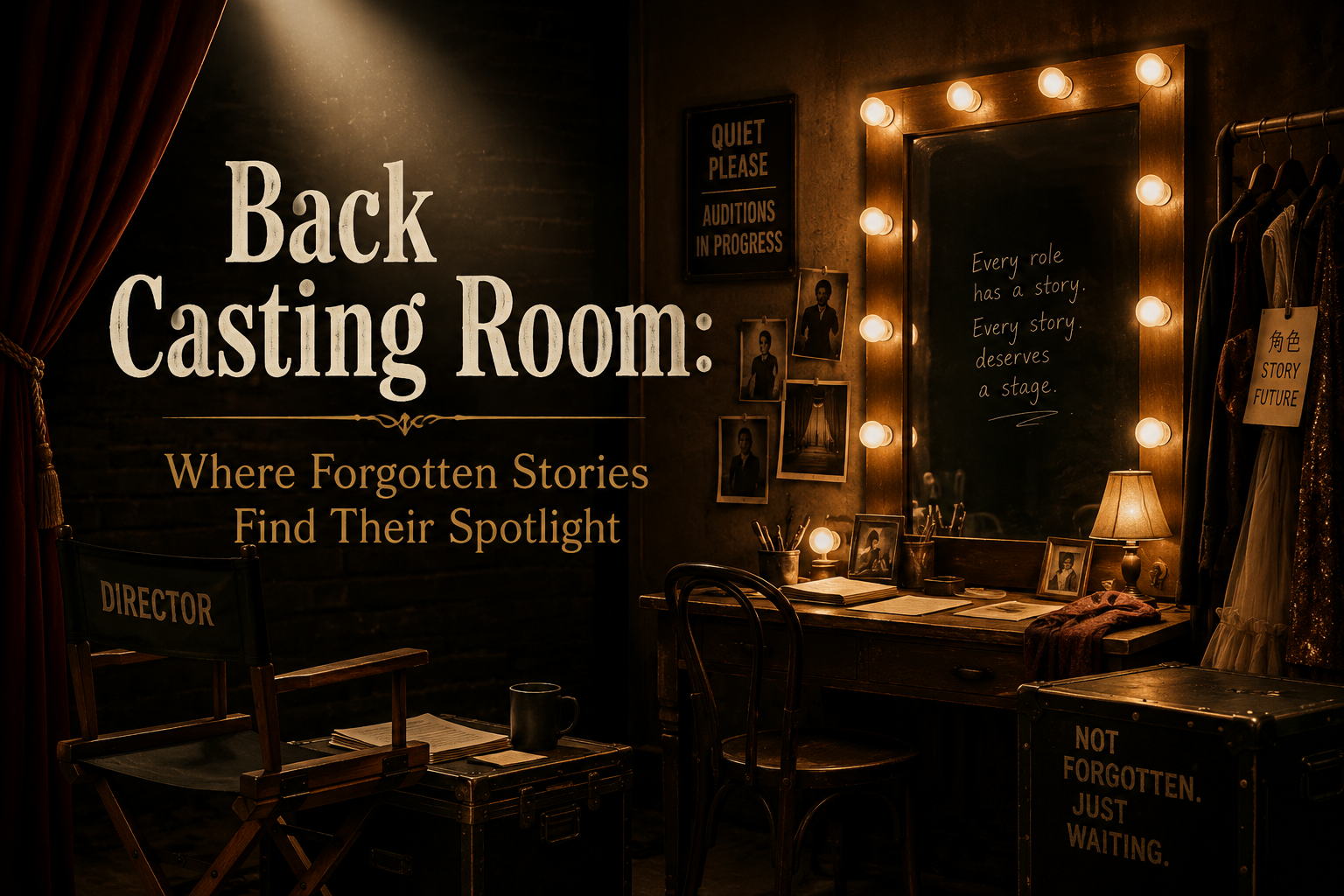
A Back Casting Room thrives on imagination, memory, and emotional depth. It is designed to encourage reflection rather than distraction. Whether imagined as a physical studio, a digital archive, or an artistic platform, the atmosphere emphasizes storytelling in its purest form. Old photographs, voice recordings, handwritten letters, and personal artifacts become creative tools that help reconstruct forgotten narratives.
The emotional energy inside such back room casting couch video space can be incredibly powerful. People often rediscover parts of themselves through storytelling. Memories once considered insignificant suddenly gain value when viewed through a creative lens. Writers, filmmakers, historians, and artists can transform these forgotten moments into documentaries, books, performances, or visual art. In doing so, the Back Casting Room becomes not only a place of remembrance but also a source of inspiration and artistic rebirth.
How Technology Revives Lost Narratives
Modern technology plays a major role in preserving and reviving stories that might otherwise disappear forever. Digital archives, audio restoration tools, back room casting couch video social media platforms make it easier to collect, organize, and share historical memories. A Back Casting Room can use these technologies to turn fading memories into accessible experiences for audiences across the world.
Artificial intelligence, virtual reality, and interactive storytelling also open new possibilities for historical preservation. Imagine stepping into a recreated memory through immersive visuals or hearing the restored voice of a forgotten storyteller. Technology allows stories from decades ago to feel vivid and emotionally present again. Instead of replacing traditional storytelling, these innovations strengthen it by giving old narratives a new form and wider reach.
Emotional Healing Through Storytelling
One of the most important aspects of the Back Casting Room is its ability to create emotional healing. Many forgotten stories involve pain, loss, or silence. People sometimes hide memories because they are difficult to revisit. However, sharing those experiences in a safe and respectful environment can be deeply therapeutic. Storytelling allows emotions to be processed, understood, and transformed into connection.
Families and communities also benefit from this healing process. Listening to the experiences of previous generations can create empathy and strengthen relationships. Stories of migration, survival, love, and sacrifice often reveal the emotional journeys behind family histories. The Back Casting Room provides an opportunity for these experiences to be acknowledged instead of forgotten, helping people feel seen, valued, and understood.
The Role of Artists and Creators
Artists and creators are essential in bringing forgotten stories into the spotlight. Writers give voice to hidden memories, filmmakers visualize untold experiences, and musicians capture emotional truths through sound. Their work transforms ordinary recollections into compelling narratives that audiences can relate to on a deeper level. In many ways, creators act as guardians of memory within the Back Casting Room.
Creative storytelling also ensures that forgotten narratives remain engaging for modern audiences. Instead of presenting history as distant or lifeless, artists infuse it with emotion, perspective, and meaning. Through creative interpretation, even a small memory can become a powerful story capable of inspiring social awareness and cultural appreciation. The Back Casting Room thrives because creators understand how to transform silence into expression and memory into art.
The Future of the Back Casting Room
As society continues to evolve, the importance of preserving human stories will only grow stronger. Fast-paced digital culture often prioritizes temporary content, but people increasingly seek deeper emotional experiences. The Back Casting Room represents a future where storytelling becomes more thoughtful, inclusive, and reflective. It encourages audiences to slow down and listen to voices that history may have ignored.
Future generations may use Back Casting Rooms as educational, artistic, and emotional spaces where forgotten experiences are explored through technology and creativity. Schools, museums, filmmakers, and online communities could adopt similar concepts to preserve personal and cultural histories. By valuing forgotten stories today, society creates a richer and more compassionate understanding of the human experience tomorrow.
Frequently Asked Questions (FAQs)
What is a Back Casting Room?
A Back Casting Room is a creative concept or space dedicated to rediscovering and sharing forgotten stories, memories, and historical experiences.
Why are forgotten stories important?
Forgotten stories preserve emotional truth, cultural identity, and valuable life lessons that help connect generations and communities.
Who can use a Back Casting Room?
Writers, artists, historians, filmmakers, educators, and everyday individuals can all use the concept to preserve and share meaningful narratives.
How does technology help in storytelling?
Technology helps restore, archive, and present old stories through digital media, virtual experiences, and interactive storytelling methods.
Can storytelling help emotional healing?
Yes, storytelling often helps people process emotions, reconnect with family history, and create empathy through shared experiences.
Conclusion
The Back Casting Room is more than a creative idea—it is a symbol of remembrance, connection, and rediscovery. In a world that constantly rushes toward the future, it reminds us to pause and listen to the voices left behind. Forgotten stories are not meaningless fragments of the past; they are living reflections of human experience filled with emotion, wisdom, and identity.