

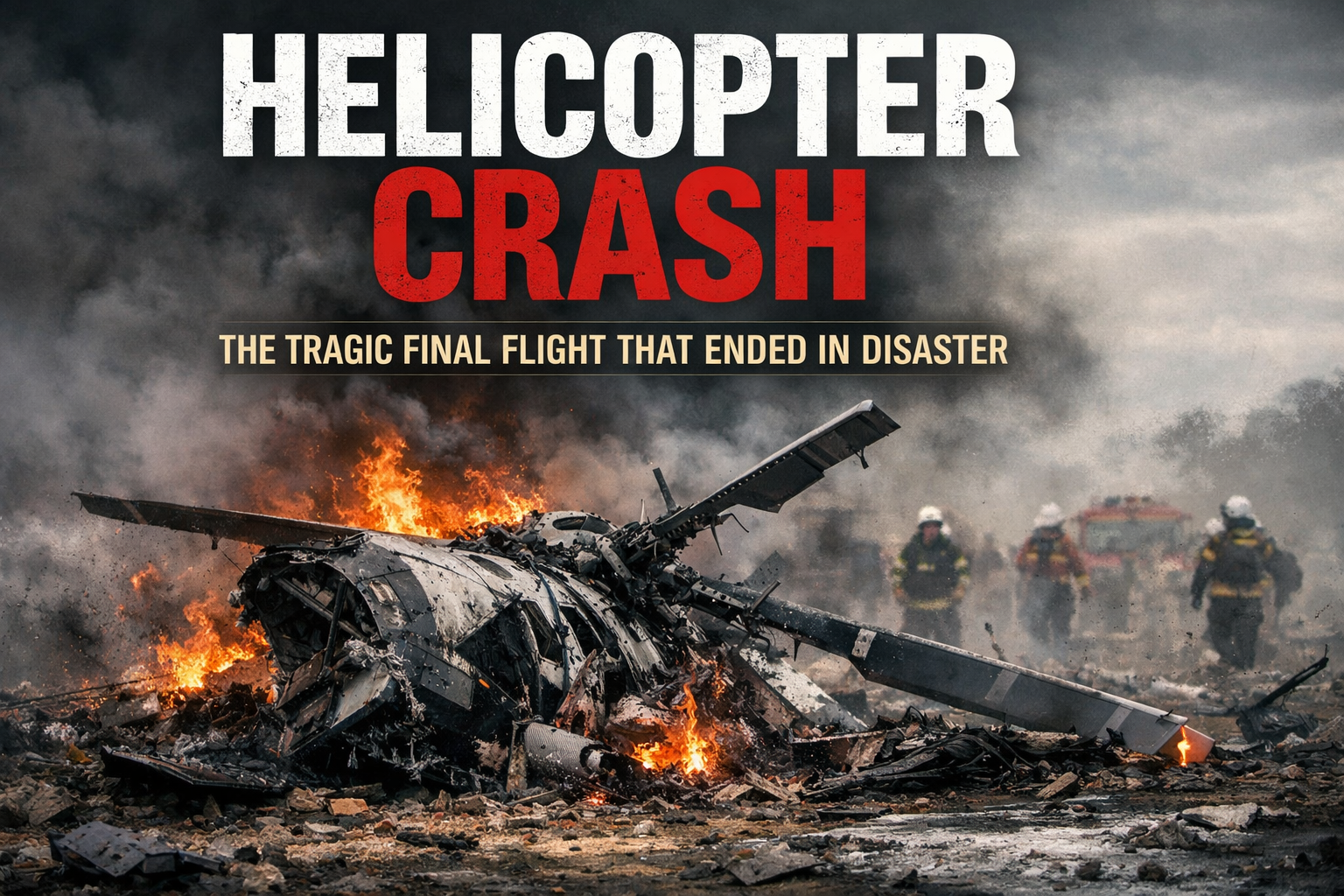
Introduction to the Fatal Flight
The story of a helicopter crash often begins like any ordinary journey—routine checks, a clear flight plan, and a crew prepared for the task ahead. Yet, beneath the surface of normalcy, unseen risks can quietly accumulate. helicopter crash while incredibly versatile and vital for transportation, rescue missions, and military operations, operate under conditions that demand precision and constant vigilance. A single miscalculation or unexpected factor can turn a routine flight into a tragic event within moments.
In this particular case, the helicopter crash final flight started without any alarming indications. Weather reports seemed manageable, the aircraft had passed its pre-flight inspection, and communication systems were functioning normally. However, aviation history repeatedly reminds us that accidents rarely result from one isolated issue; instead, they are often the outcome of a chain of events. Understanding this chain is essential to grasp how a tragedy unfolds and how similar incidents might be prevented in the future.
The Aircraft and Crew
The helicopter crash involved in the crash was considered reliable, equipped with modern navigation systems and maintained according to regulatory standards. It had a strong service record, which made the eventual accident even more shocking. Such aircraft are designed to handle diverse conditions, including difficult terrains and variable weather, making them indispensable in many industries.
Equally important were the individuals on board. The pilot was experienced, with numerous hours of flight time and a history of safe operations. The crew, trained to respond to emergencies, trusted both their training and the machine they operated. This combination of human expertise and technological reliability is what makes aviation generally safe. Yet, even the most skilled professionals are not immune to unforeseen complications, especially when multiple risk factors converge simultaneously.
Weather Conditions and Environmental Factors
Weather often plays a critical role in helicopter crash accidents, and this case was no exception. While initial forecasts indicated acceptable flying conditions, subtle changes in wind patterns and visibility began to emerge during the flight. helicopter crash are particularly sensitive to sudden gusts of wind, turbulence, and reduced visibility, which can disorient pilots and affect stability.
Additionally, environmental factors such as terrain and obstacles may have contributed to the situation. Flying at lower altitudes—common for helicopter crash means pilots must constantly navigate around buildings, trees, and uneven landscapes. When combined with deteriorating weather, these challenges can escalate rapidly. Even a brief lapse in visibility or a sudden wind shift can create a scenario where recovery becomes extremely difficult.
The Timeline of Events
The sequence leading to the crash unfolded quickly, as is often the case in aviation incidents. Shortly after takeoff, communication between the helicopter crash and ground control remained normal. However, within minutes, subtle irregularities were noted—minor deviations in flight path and possible difficulty maintaining altitude.
As the situation worsened, the pilot attempted corrective actions. These included adjusting speed, altitude, and direction in an effort to stabilize the aircraft. Unfortunately, these measures were not enough to counter the combined effects of external and internal challenges. The final moments were marked by a rapid loss of control, leaving little time for recovery or emergency procedures to be fully executed.
Possible Causes of the Crash
Investigations into helicopter crash typically examine multiple potential causes, and this tragedy was no different. Mechanical failure is always a key consideration, including issues with the rotor system, engine, or control mechanisms. Even a minor malfunction can have severe consequences due to the complexity of helicopter crash operations.
Human factors are another significant aspect. Fatigue, stress, or misjudgment can impair decision-making, especially under pressure. Additionally, external conditions such as weather or unexpected obstacles may have compounded the situation. In many cases, accidents are the result of a combination of these elements rather than a single cause, highlighting the intricate nature of aviation safety.
Emergency Response and Rescue Efforts
Once the crash occurred, emergency services were quickly alerted. Rescue teams, including medical personnel and first responders, mobilized to reach the site as fast as possible. However, helicopter crash often happen in remote or difficult-to-access areas, which can delay rescue operations and complicate recovery efforts.
Despite these challenges, responders worked tirelessly to secure the area and provide assistance. Their efforts are a crucial part of any aviation incident, as they not only aim to save lives but also help preserve evidence for investigation. The dedication of these teams underscores the importance of preparedness and coordination in handling such emergencies.
Impact on Families and Communities
The human cost of a helicopter crash extends far beyond the immediate victims. Families, friends, and communities are deeply affected by the sudden loss and the emotional trauma that follows. The tragedy often leaves unanswered questions and a profound sense of grief that can take years to process.
Communities may also feel the impact in broader ways, especially if the helicopter crash was involved in essential services such as medical transport or public safety. The loss can disrupt operations and highlight vulnerabilities in critical systems. Such events serve as a reminder of the fragility of life and the importance of safety in all aspects of aviation.
Lessons Learned and Safety Improvements
Every aviation accident, no matter how tragic, provides valuable lessons that can lead to improvements in safety. Investigations often result in recommendations for better training, enhanced maintenance procedures, and more advanced technology to prevent similar incidents in the future. These changes are essential for reducing risks and ensuring safer flights.
Over time, the aviation industry has made significant strides in safety due to lessons learned from past accidents. Innovations such as improved weather monitoring systems, advanced navigation tools, and stricter regulations have all contributed to making helicopter crashtravel safer. While no system can eliminate risk entirely, continuous improvement is key to minimizing the chances of future disasters.
FAQs
1. What is the most common cause of helicopter crash?
The most common causes include mechanical failure, human error, and adverse weather conditions. Often, accidents result from a combination of these factors rather than a single issue.
2. Are helicopter crash more dangerous than airplanes?
helicopter crash generally operate in more challenging environments and at lower altitudes, which can increase risk. However, with proper maintenance and trained pilots, they are still considered safe.
3. Can bad weather alone cause a helicopter crash?
While bad weather can significantly increase risk, it usually contributes alongside other factors such as pilot decision-making or mechanical issues.
4. How are helicopter crash investigated?
Investigations involve analyzing flight data, maintenance records, weather conditions, and witness reports to determine the cause and recommend safety improvements.
5. What safety measures are in place to prevent such accidents?
Modern helicopter crash are equipped with advanced navigation systems, regular maintenance schedules, and strict pilot training requirements to enhance safety.
Conclusion
The tragic helicopter crash serves as a sobering reminder of the complexities and risks associated with aviation. What began as a routine flight ended in disaster due to a combination of factors that overwhelmed both human skill and technological capability. Each detail—from weather conditions to mechanical performance—played a role in shaping the outcome.